Preparing
together
for future crisis
Cooperation between the crisis centres of the Benelux countries is essential to ensure we can deal with a multitude of potential risks and crises. It should come as no surprise then that crisis prevention and management are essential cornerstones of the Benelux partnership.
This is because our societies are exposed to a wide range of risks and potential disasters, all of which can have serious consequences for people, society and the environment. The recent coronavirus pandemic alarmingly demonstrated how novel and unpredictable these crises can be. Close cooperation between the three Benelux countries can once again have a positive impact in this field.

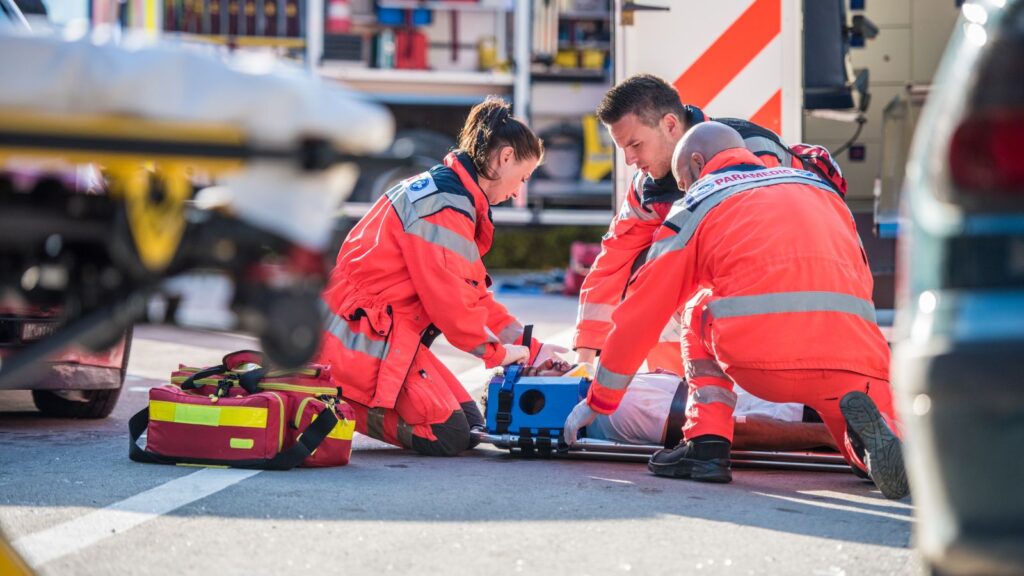
Preventing risks and anticipating unforeseen emergencies
The Benelux countries put the wellbeing and safety of their citizens at the centre of everything they do. As such, it is essential that we act proactively to manage the common consequences of large-scale or cross-border crises as best as possible. This cooperation between the Benelux countries is mainly rooted in the Benelux Convention on Cross-Border Crisis Management.
- Optimise mutual information sharing in times of crisis and beyond
- Cross-border crisis management for major disasters (train accidents, storms etc.)
- Educating the public in emergency situations (warnings, use of social media etc.)
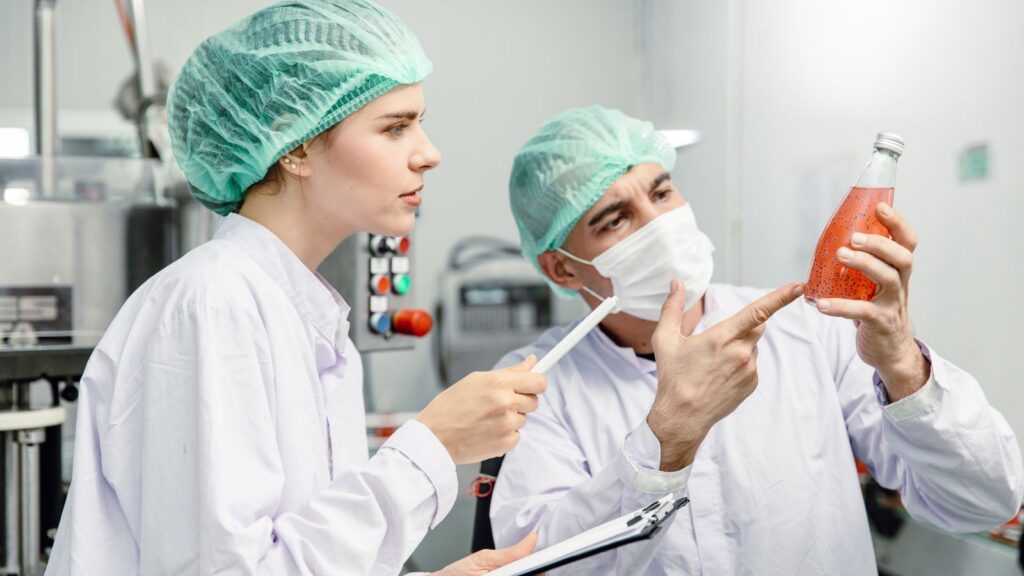
Protecting consumers through cross-border cooperation on food safety
One of the main concerns in the partnership between the Benelux countries is the welfare and safety of the citizens of the three countries. Closer cooperation on food safety delivers an important contribution to protecting the health of consumers. We aim to prevent crises — such as the fipronil crisis — as much as possible, and we seek to respond to them as best as we can when they do occur.
Cooperation between the Benelux countries on food safety is focused on:
- animal health and animal transport
- checks on animal feed
- improving the functioning of the Benelux internal market by coordinating food requirements

Resilience to natural disasters and water management
The Benelux countries face common risks, such as major floods. To address these, they work closely together.
In this way, the Benelux plays a pioneering role in Europe by developing a more sustainable and resilient water management system.
Specifically, the three countries are jointly implementing the European roadmap aimed at strengthening water security.
We are also active in other innovative areas
Explore the different areas that are central to our efforts to deliver a better future for future generations.
Our experts are at your service
Do you have a question, or suggestion you’d like to share?