Education
as a social and economic
driving force
Recognition of degrees and professional qualifications, the Benelux countries are joining forces to deliver the best possible education for their citizens.
Whether it concerns higher education or lifelong learning, the Benelux Union is convinced that open borders in education must go hand in hand with access to studies and the labor market, the recognition of degrees, and the cross-border mobility of trained individuals.


Automatic recognition of degrees
The concerns of younger generations—whether regarding academic or professional mobility—are at the heart of many issues addressed by the Benelux Union. As early as 2015, the Benelux was able to play a pioneering role by introducing the automatic mutual recognition of bachelor’s and master’s degree levels. In 2018, this advancement was extended to associate degrees and doctorates.
Beyond our borders: agreements with the Baltic states
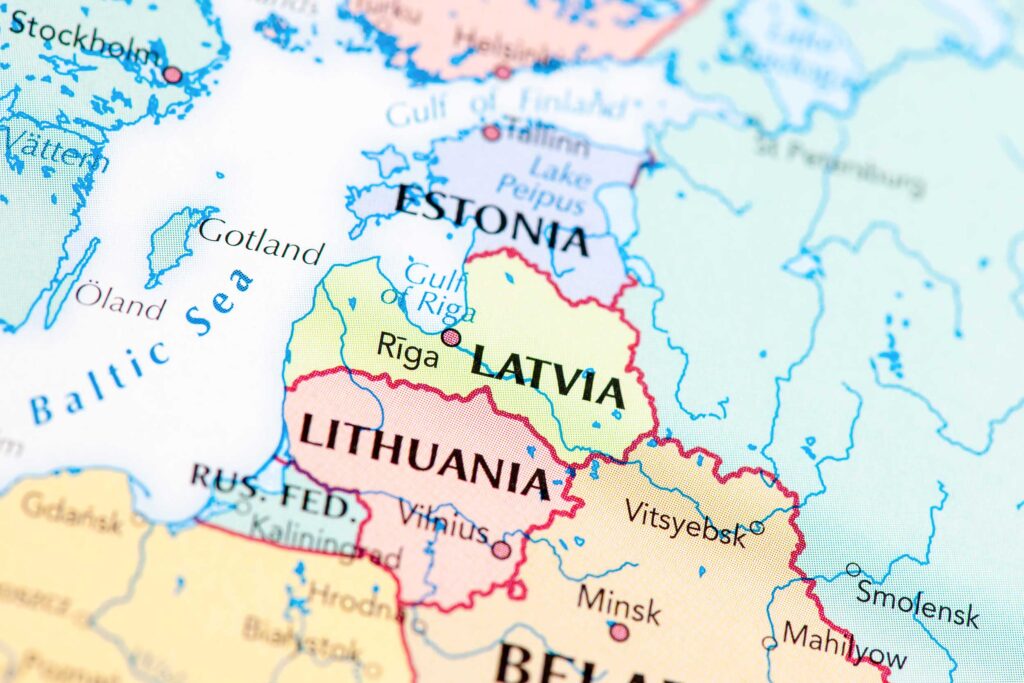
Ever since a treaty to that effect was signed in September 2021, the automatic recognition of higher education degrees between the three Benelux countries has been extended those obtained in the three Baltic states: Estonia, Latvia and Lithuania. With the entry into force of this Treaty in 2024, these six countries will form the only region within the European Higher Education Area where degree levels are automatically recognised. Their ambition is to encourage other countries to follow this path.
In specific terms, this results in instant administrative simplification:
- Automatic recognition without any administrative procedures and at no cost to the degree holders;
- Recognition established as a legal right;
- Validity of degrees for working or continuing studies in one of the members states.
Discover how your higher education degree compares in the other signatory countries. Use the comparability tool for automatic recognition https://ar-go.online/

Recognition of professional qualifications
In a context marked by labor shortages and the rapid evolution of professions and sectors, facilitating the mobility of workers between countries has become essential, especially in a region as economically integrated as the Benelux. The recognition of professional qualifications is a key tool to make it easier to access opportunities abroad.
The Benelux countries, in collaboration with the competent authorities, are working to simplify and speed up the procedures for recognizing professional qualifications, improve access to information for employers and workers, and develop joint training programs, particularly in sectors facing shortages or related to the green and digital transitions.
The goal is clear: to make the cross-border labor market more accessible, better support workers, and respond more effectively to the needs of businesses.
Our news about
Education
Our latest news

We are also active in other innovative areas
Explore the different areas that are central to our efforts to deliver a better future for future generations.
Our experts are at your service
Do you have a question, or suggestion you’d like to share?